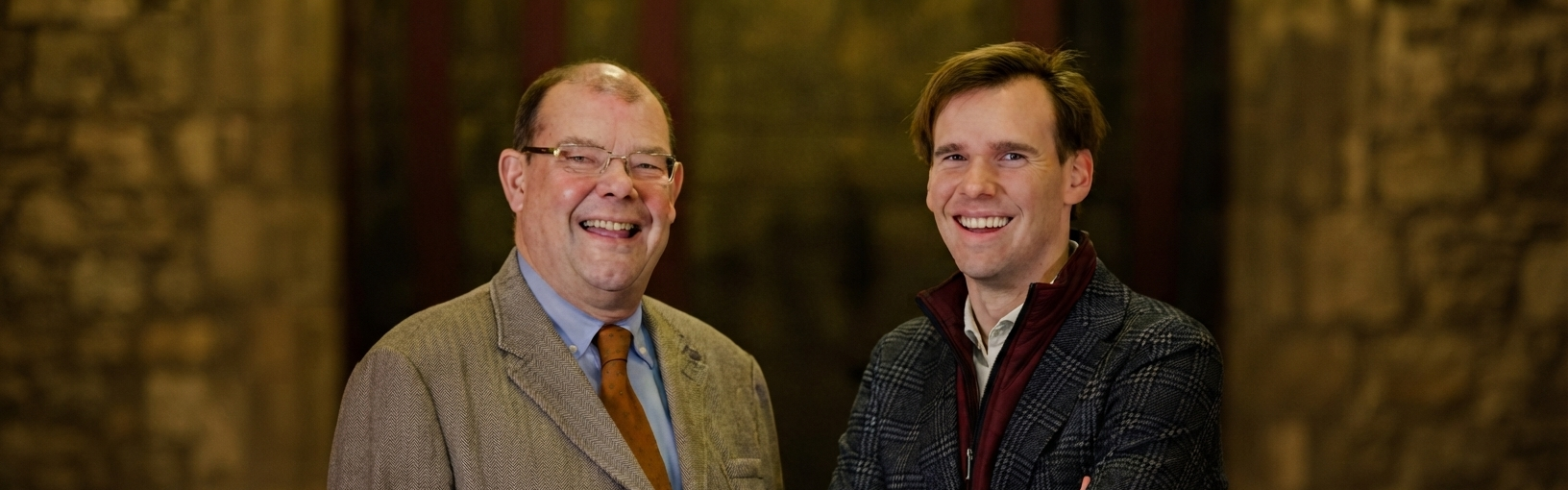
Nestled in the heart of West Flanders, in Bavikhove, De Brabandere Brewery embodies the excellence and resilience of Belgian brewing heritage. For over 130 years, this family-run business has weathered the times without ever abandoning its roots.
1. A Venture Born from the Land in 1894 and Resilience in the Face of History
The story begins in the late 19th century. Adolphe De Brabandere, a nurse and village farmer, joined forces with his son Joseph to create a brewery to valorize the crops from his farm. Although the first steps were taken in 1894, it was Joseph who gave the business its true entrepreneurial drive.
Sadly, fate struck in 1929 when Joseph passed away prematurely. Initially, his wife bravely took the helm before the next generation, including his children (such as Albert), officially took over in 1950.
The brewery would later endure the darkest hours of European history. During World War I, it managed as best it could; during World War II, ingenuity worked wonders. Joseph’s grandfather completely disassembled his brand-new truck before the occupation, hiding the parts throughout the brewery as tools and spares. As a result, as soon as peace returned, he was the first to reassemble his vehicle, gaining a decisive head start over his competitors to deliver the bricks and beer essential for rebuilding the Ypres region.
2. From Father to Son: The School of Transmission and the Modern Era
In 1975, Ignace De Brabandere (4th generation) took over. A true commercial driving force, he expanded the brewery beyond its local roots, developed exports to neighboring France—with a historic foothold in Arras—and heavily invested in sports sponsorship, associating the famous Petrus brand with the jerseys of top-flight football clubs like SV Zulte Waregem and Kortrijk.
For Albert De Brabandere (current head of the 5th generation), immersion in the family business began at the age of 8. "My salary consisted of a few Belgian francs per manually filled crate," he recalls. Holiday after holiday, from the bottling line to the brewing room and delivery rounds, he tried his hand at everything.
At 18, his father set him on a path to excellence: business studies, a full year of specialization in brewing and malting at the brewing school in Germany, a year in Paris, followed by four years of rich experience working for a major beer multinational in Amsterdam (Heineken).
"A family brewery isn’t really owned; you simply take care of it for the next generation." — Albert De Brabandere
3. From Bavik to De Brabandere: A Proud Return to Roots
Between 1990 and 2014, the company operated under the name Bavik Brewery. To celebrate its 120th anniversary and reaffirm its family roots and artisanal heritage, the brewery chose to revert to its original name: De Brabandere Brewery.
Under this impetus, the company developed a strong identity, streamlining its finances while modernizing its production facilities. Historic copper brewing kettles now stand alongside ultra-modern stainless steel installations.
Today, the brewery produces between 150,000 and 200,000 hectoliters per year, distributed in about fifty countries, while remaining true to the traditions of the Horeca sector in France and Belgium.
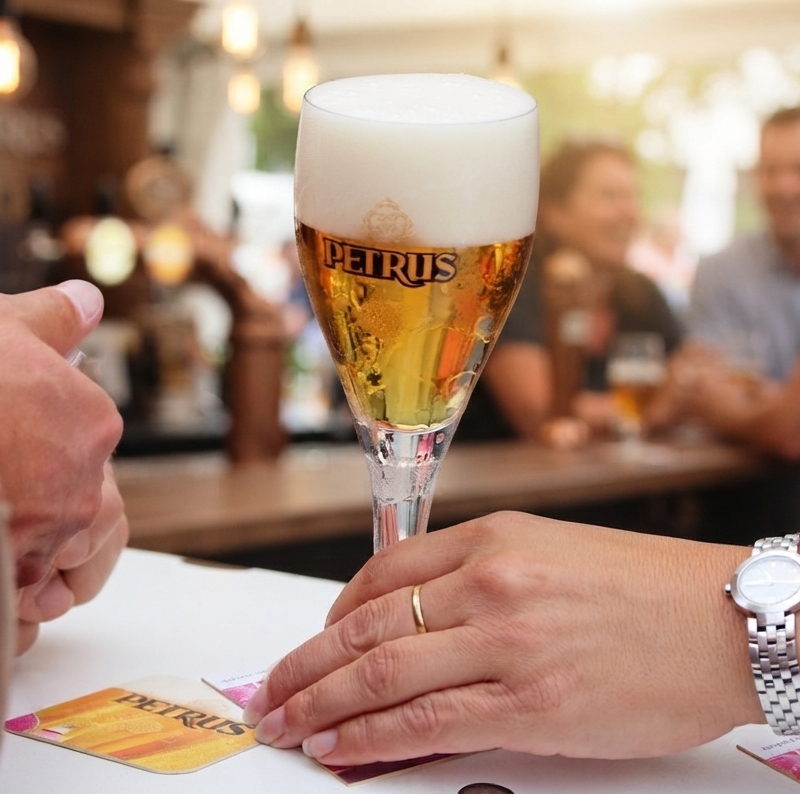
4. The Gems of De Brabandere
De Brabandere Brewery is best known for its Petrus beers, which blend tradition and innovation. Here are some of their flagship brews:
🍺 Petrus Blond (6.5% ABV)
Tasting: Bright golden color with a fairly unstable head. The nose is strongly marked by corn and cabbage aromas, reminiscent of a malt house. On the palate, these notes are further accentuated, despite the presence of yellow fruit, cooked fruit, fig, port, caramel, resin, and vegetal aromas. A fairly sweet beer, but with a good bitterness.
Analysis: Color 12.5 EBC | Bitterness 20 IBU
🍺 Petrus Gouden Tripel (7.5% ABV)
Tasting: Yellowish, quite pale, clear, and almost bright appearance. Unpleasant soup and oxidation odors emanate from it. The palate, however, is soft, with a beautiful balance between acidity, saltiness, and post-bitterness, though with a lingering harshness.
Analysis: Color 9.2 EBC | Bitterness 20 IBU
🍺 Petrus Dubbel Bruin (6.5% ABV)
Tasting: Its copper-brown color is superb. The beer is clear, but its head is unstable. The nose is fruity with a slight floral note, accompanied by solvent and oxidation odors (cooked fruits, apple, plum). The palate is sweet and slightly acidic, which softens the bitterness.
Analysis: Color 90.5 EBC | Bitterness 27 IBU
The Secret of Aging Petrus in Old Flemish Brown Beer Casks
Aging and Method: The highlight of the brewery tour is the barrel room, where Petrus Sour ages for two years in large French oak foeders with a capacity of 220 hectoliters.
Role of Wood: The wood is not used to impart a woody flavor but serves as a support or "soil" for the microorganisms that transform the residual sugars from the primary fermentation into acids, stronger alcohol, and esters.
Permeability and Oxidation: The wood acts as a permeable wall, allowing air to pass through to the beer to achieve controlled oxidation. This very slow process results, after two years of waiting, in a refreshing sour beer with a highly fruity aroma.
Conclusion: A Family Adventure That Endures
As the sixth generation is already on the horizon—with Albert’s young son already showcasing his talents as a "quality controller" by tasting his father’s glasses—De Brabandere Brewery proves that independence, boldness, and respect for the product are the best guarantees of longevity.
In Bavikhove, the story continues.