The Stoemper
 Lambic, a traditional Belgian beer, is known for its sharp acidity. In the past, drinkers would often ask the café owner for a piece of sugar to sweeten their beer to taste. To crush this sugar, they used a very specific tool: the stoemper.
An Iconic Utensil
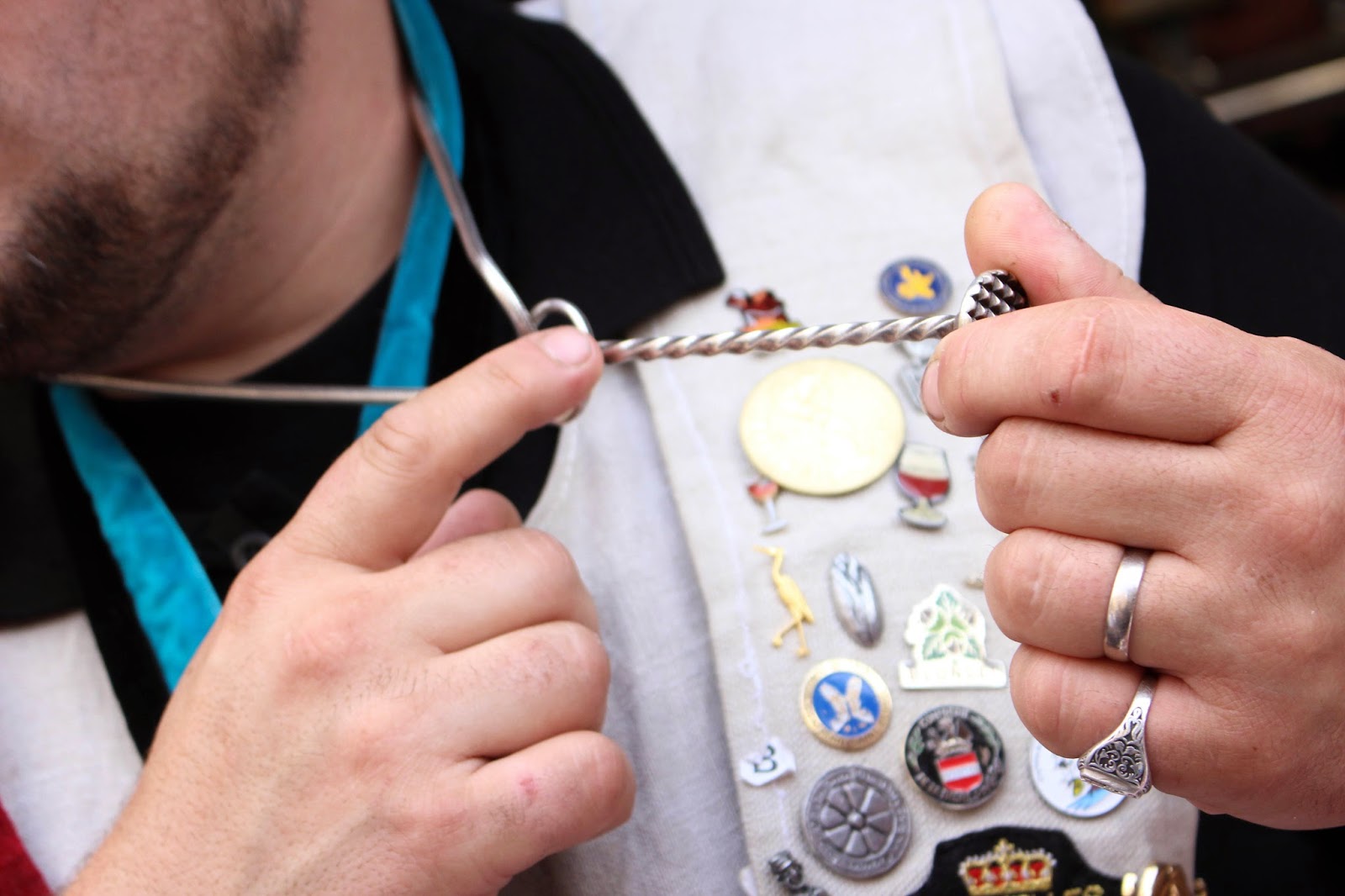
The stoemper was a pestle shaped like a sardine key, used to crush sugar directly into a glass of lambic. Its name even evokes another Brussels specialty: stoemp, a dish made from mashed potatoes. Like stoemp, the stoemper is a symbol of Belgian popular culture, where flavors were often adjusted to personal taste.
This tool was essential in Brussels cafés, where each customer could sweeten their beer to their liking. It reflected the convivial and personalized spirit of lambic tasting, where every detail was tailored to the drinker’s preferences.
The Decline of a Tradition
The use of the stoemper gradually faded as drinking habits evolved. Cafés began offering pre-sweetened lambics, ready to serve, making the tool obsolete. At the same time, the rise of pasteurized gueuze, which was sweeter and bottled, pushed traditional beers like faro and kriek to the sidelines.
These once-ubiquitous beers nearly faded into obscurity, surviving only as distant folkloric memories. Fortunately, the recent revival of craft beers and traditional brewing methods has brought some renewed attention to these unique Belgian specialties.
The stoemper is more than just a tool—it embodies an era when beer tasting was an interactive and customizable experience. Though it has disappeared from café counters, it remains a symbol of Belgium’s rich brewing history, where every detail mattered in fully savoring a lambic.
Illustration: A traditional stoemper, used to crush sugar in a glass of lambic.