The 10 Most Expensive Beers in the World
The world of beer can reach astronomical prices. Here are the 10 most expensive bottles:
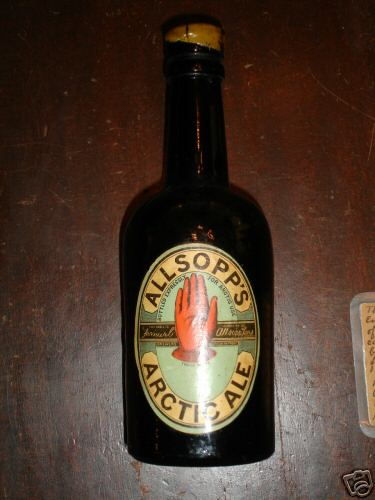
1. Allsopp’s Arctic Ale ($460,000 / 500 ml): Absolute auction record. A bottle dating from 1875 (Arctic expedition).
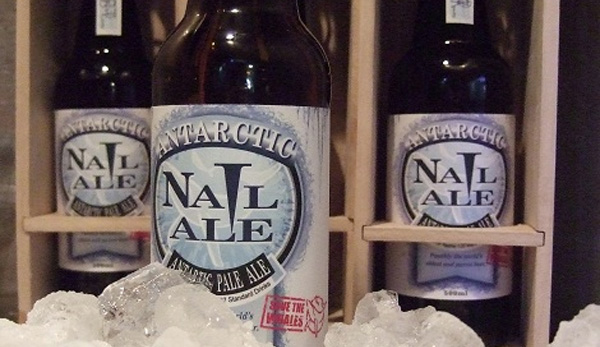
2. Antarctic Nail Ale ($1,700 / 500 ml): Brewed with Antarctic iceberg water by Nail Brewing. This blonde ale is one of the most expensive beers in the world! Produced by Nail Brewing in Australia, 100% of the profits go to the Sea Shepherd Conservation Society. The brewing water comes from an Antarctic iceberg. Only 30 bottles of this brew were produced.
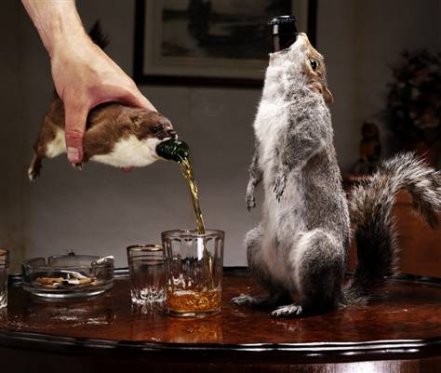
3. The End of History ($850 / 330 ml): A 55% ABV beer served in taxidermied animals. It is the third strongest and second most expensive beer in the world. This blonde ale is blended with Scottish nettles and juniper berries. Only twelve bottles exist, each encased in the skin of a different animal: seven stoats, four squirrels, and one hare.
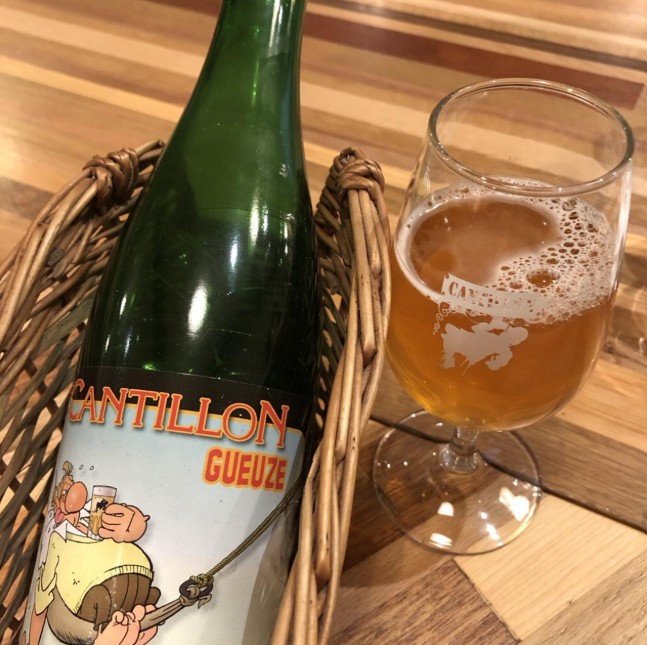
4. Cantillon Loerik ($800 / 375 ml): An extremely rare Belgian Gueuze from 2003, sold at this price in specialized auctions. Belgian Gueuzes are breaking records, especially in the USA. Brewed with wild yeasts, they have a distinctive sour character.
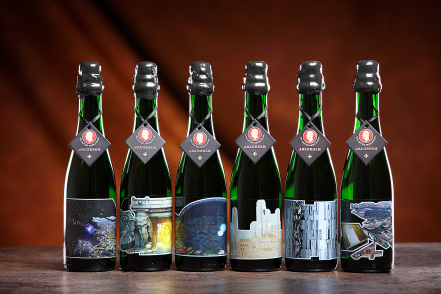
5. Jacobsen Vintage ($380 / 375 ml): A luxury creation by Carlsberg, aged in oak barrels. The Danish company launched "the vintage trilogy" in 2008 to challenge the luxury wine market. This barley wine is aged for six months in Swedish and French oak barrels, featuring flavors of vanilla, cocoa, and peat. It is sold in high-end restaurants in Copenhagen. Over 600 bottles were produced each year between 2008 and 2012. Each bottle has an expiration date of 2059... 47 years to preserve it, maybe they went a bit too far!
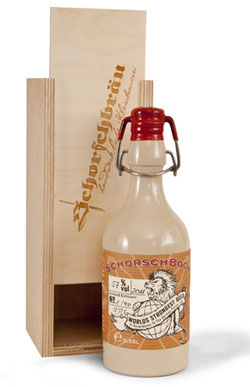
6. Schorschbock 57 ($280 / 330 ml): A strength record with 57.5% ABV. Released last October, Schorschbock 57 claims to be the strongest beer in the world. Master brewer Georg Tscheuschner produced only 36 bottles of this brew. According to the few lucky tasters, it has a smoky and nutty flavor, with notes of raisins and, of course, alcohol. However, RateBeer.com gave it a low score of 20/100.
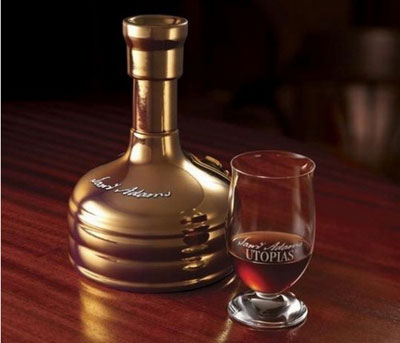
7. Samuel Adams Utopias ($240 / 700 ml): A prestigious beer aged up to 18 years. Utopias is the most expensive beer in America. It is brewed every two years. Each batch is aged for up to 18 years in cognac, bourbon, and scotch barrels. (With each transfer, the brewer adds a touch of maple syrup!) If the price puts you off, remember you can get some money back by melting down the metal bottle!
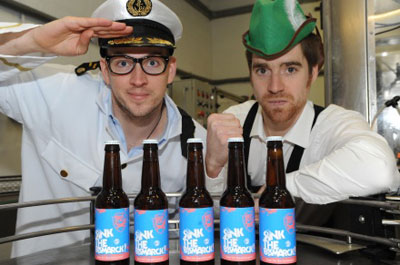
8. Sink the Bismarck ($100 / 375 ml): A quadruple IPA with 41% ABV. Named after Nazi Germany's largest battleship, this beer is brewed by the dynamic BrewDog brewery. This "quadruple IPA" is obtained through four cold distillations (the liquid fraction of the frozen beer contains more alcohol, and the solid fraction is removed).
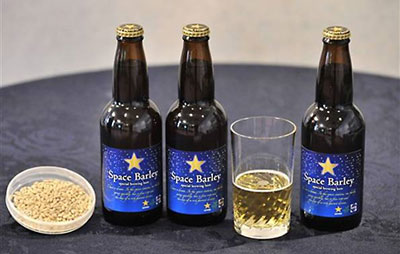
9. Space Barley ($110 / 6-pack): Barley grown in space. In 2006, Japanese and Russian scientists decided to test how well barley could grow in space. Barley seeds were taken aboard and planted on the International Space Station, in the Zvezda module. After spending five months in orbit, the astronauts harvested the seeds produced by the plants. Sapporo Brewery then used the fourth generation of this barley to create the first beer from space!
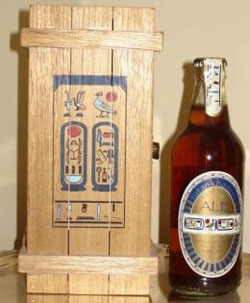
10. Tutankhamun Ale ($70 / 500 ml): A recipe reconstructed from ancient Egypt. In 1990, archaeologist Dr. Barry Kemp (Cambridge) discovered ten buried brewing rooms under the Egyptian sand. Each contained ancient traces of beer residue. With the help of an electron microscope, Dr. Samuel Delwen determined that these residues were over 3,250 years old. These researchers then teamed up with Scottish brewer Merrington Jim to recreate the closest possible recipe to this beer. They produced 1,000 bottles in the first year, sold at $7,686 each. Later, the price dropped to $75 per bottle. Years later, Merrington Brewery closed its doors... a consequence of Tutankhamun's curse?
Note: If you're looking for an expensive but "drinkable" beer without selling your car, Samuel Adams Utopias remains the only real option you can still find (with difficulty) at luxury beer merchants.